
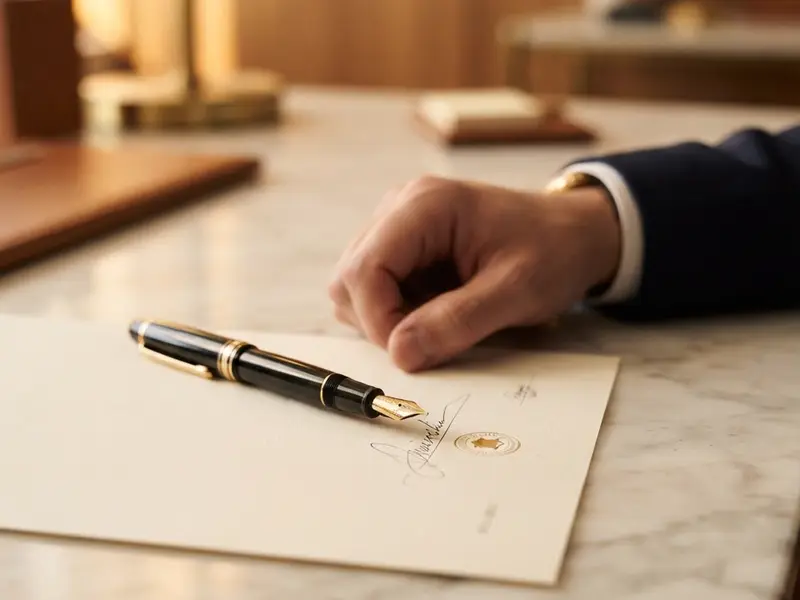
If you want to buy a spa business in Dubai, you have two broad choices: build a new spa from an empty unit, or acquire one that is already trading. For most investors the second route is faster and less risky. A running spa comes with a licence, a fitted space, a trained team and clients who already book — and if it sits inside a hotel, a stream of guests who walk past the door every day.
This guide walks through the process we follow with buyers, from the first conversation to the day the business is trading under your name. It is written for investors from the UAE and abroad, including first-time buyers who have never owned a business in Dubai.
Step 1: Decide what kind of spa you want to own
Before looking at listings, be clear about three things: your budget, how involved you want to be, and the type of spa that matches both. The main categories are:
- Hotel spas — run under an agreement with a 3, 4 or 5-star hotel. You benefit from hotel guests but work within the hotel’s rules. See our hotel spas for sale in Dubai.
- Day spas — independent spas with their own lease, usually in residential areas or community malls. More control, but every client must be won by you.
- Premium salons — smaller footprint, high repeat business, built around stylists and therapists.
Think also about location. A Downtown or Palm Jumeirah spa is a different business from one in Deira or Al Barsha — different guests, prices, rents and seasons. Our area pages, such as Downtown Dubai and Al Barsha, explain what to expect in each district.
Step 2: Build a shortlist — including off-market mandates
Public portals show only part of the market. Many hotel-spa owners do not want staff, clients or the hotel to know they are selling, so their businesses are offered privately to registered buyers. Register your criteria with a specialist broker and ask to see off-market mandates as well as published listings.
At this stage you will see the star rating, area, size, number of treatment rooms, headline revenue, asking price and lease details — but not the hotel name. That is normal and protects everyone involved.
Step 3: Sign an NDA and receive the information pack
Once a listing interests you, you sign a non-disclosure agreement. In return you receive the hotel name and address, the trade licence, the hotel agreement or lease, and the seller’s financial summary. Read the agreement first: the remaining term, the rent or revenue share and the hotel’s consent conditions can make or break the deal regardless of how good the numbers look.
Step 4: View the spa discreetly
Viewings are usually arranged outside guest hours so the team is not unsettled. Look at the condition of wet areas, ventilation, plumbing and treatment rooms; ask how bookings are made; and observe how the spa is presented to hotel guests. If the hotel has refurbishment rights in the agreement, ask when the last upgrade was done.
Step 5: Financial due diligence
This is where a deal is protected. The monthly figure a seller quotes is a starting point, not evidence. Ask for, and check:
- VAT returns for the last eight quarters (or as many as the business has)
- Twelve months of bank statements for the operating company
- Payroll records, staff contracts and visa expiry dates
- Rent and service-charge payments to the hotel or landlord
- Supplier invoices and any outstanding liabilities, including returned cheques
- The booking system report for treatments and therapists
Compare these sources with each other. Revenue in the VAT returns should line up with bank deposits; staff costs should match payroll and visas. Any gap needs an explanation before you go further. Our guide Hotel spa for sale in Dubai: what investors must check covers this in more depth.
Step 6: Negotiate and sign the sale agreement
With verified numbers you can negotiate on facts. The main points are price, deposit, what is included (equipment, stock, client database, brand, social media accounts), how staff and visas will move, and the conditions that must be met before completion. In a hotel spa the most important condition is the hotel’s written consent to the new owner. On the deals we structure, that consent is a condition precedent: if the hotel does not approve, the buyer withdraws and the deposit is returned.
It is also common to hold back part of the price until the licence transfer is complete, so the seller remains motivated to cooperate through the final steps.
Step 7: Transfer the business
How the transfer works depends on the structure:
- Share sale — you buy the company that holds the licence and the hotel agreement. The company’s memorandum is amended and the change is processed with Dubai Economy & Tourism (DET), with signatures notarised. Staff and visas remain with the company.
- Licence or asset transfer — the business moves into your own company. You need your own trade licence with matching activities, and staff are transferred to your company through the usual labour and residency procedures.
Alongside the licence you will update Dubai Municipality approvals where needed, health cards for therapists, bank accounts, payment terminals, supplier accounts and the booking system. A registered PRO normally handles the government steps.
Step 8: Handover and the first 90 days
A smooth handover protects the value you paid for. Agree a period during which the seller introduces you to the hotel management, key clients and suppliers. Meet the team early and explain what will — and will not — change. Keep the menu and prices stable at first; improve once you understand the business.
Mistakes first-time spa buyers make
- Paying a deposit before seeing the agreement. The hotel agreement can make a profitable spa unsellable; read it before any money moves.
- Trusting a single “average month”. Ask for a full year so you see both the peak and the quiet season.
- Ignoring staff costs outside payroll. Accommodation, transport, visa renewals and end-of-service benefits are real costs.
- Changing too much too soon. New menus, prices and managers in the first weeks can unsettle clients who were loyal to the old team.
- Skipping the PRO and legal review. Government steps and the sale agreement are where small errors become expensive.
How long does it take to buy a spa in Dubai?
Timelines vary with the hotel’s response and the completeness of the seller’s documents. Searching and due diligence usually take longer than the government steps. Buyers who have their own company and finances ready, and sellers with clean records, complete fastest.
Ready to start?
Browse current spas for sale in Dubai and Abu Dhabi, or send us your budget on WhatsApp and we will build a shortlist that includes off-market mandates.
Talk to a hotel-spa advisor
Tell us your budget, preferred area and hotel category on WhatsApp — we reply with current and off-market mandates.
Frequently asked questions
Can I buy a spa in Dubai without living in the UAE?
Yes. Many buyers are based abroad. You will need a company and a manager on the ground, and you will usually obtain an investor or partner visa once the business is yours.
Do I need experience in the spa industry?
It helps, but many investors keep the existing manager and team. The important thing is to understand the hotel agreement and the numbers before you buy.
Is it better to buy shares or the business assets?
It depends on the agreement, liabilities and visas. A share sale keeps everything in place but inherits the company’s history; an asset transfer starts clean but needs more transfers. We advise per deal.
What documents should I ask the seller for first?
The trade licence, the hotel agreement or lease, eight quarters of VAT returns and twelve months of bank statements. These four tell you most of what you need to decide whether to continue.
Добавить комментарий